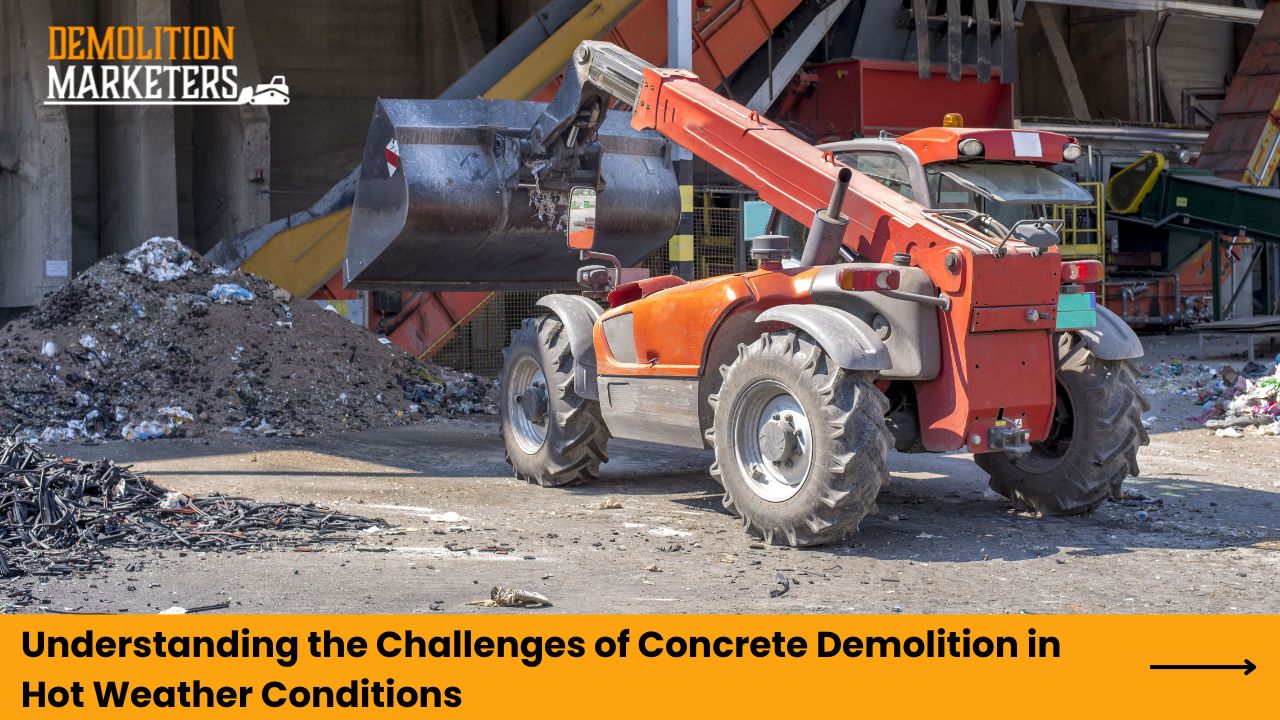
Title: Understanding the Challenges of Concrete Demolition in Hot Weather Conditions When temperatures soar, the task of demolishing concrete becomes not only more challenging but also more critical to manage effectively. This article will delve into the complexities of breaking down concrete slabs in the heat, focusing on worker safety and the adaptation of demolition methods. Readers will learn about maintaining tools and equipment under extreme weather conditions and the environmental impacts of hot weather demolition. For professionals tasked with planning and executing concrete demolition, this content offers valuable insights into overcoming the hurdles posed by high temperatures, ensuring compliance with legal standards, and executing successful projects despite the heat. By engaging with this article, readers will equip themselves with strategies to navigate the unique challenges that hot weather brings to the demolition of concrete structures.
Key Takeaways
- High heat complicates concrete demolition by altering structural integrity and increasing thermal stress
- Worker safety is paramount, requiring hydration, rest, and heat safety measures during hot weather demolition
- Strategic planning, such as scheduling work in cooler hours, is essential to mitigate heat’s impact
- Environmental and legal compliance must guide hot weather demolition practices to protect ecosystems
- Innovative solutions like phase change materials and demolition robots improve safety and efficiency
Understanding How Hot Weather Affects Concrete Demolition
When temperatures soar, concrete demolition faces unique challenges. High heat can alter the structural integrity of concrete, leading to increased thermal stress that complicates demolition efforts. Professionals must navigate the accelerated drying and curing rates that can affect the accessibility of the demolition site, potentially increasing the cost and difficulty of using tools like jackhammers and hammers, especially when dealing with embedded rebar. The following sections will delve into these issues, offering insights into the complexities of demolishing concrete in hot weather conditions.
Effects of High Temperatures on Concrete Structures
As temperatures rise, the thermal expansion in concrete can lead to microcracks, compromising the material’s integrity and posing challenges for waste management during demolition. The heat intensifies the concrete’s reaction with steel reinforcement, potentially weakening the bond and complicating the separation process. This necessitates careful planning when employing excavators and cranes to manage the removal of debris, ensuring safety and efficiency in the face of these heat-induced obstacles.
In the sweltering heat, concrete demolition requires a strategic approach to prevent premature drying, which can result in a brittle structure that generates more waste. Demolition experts must adjust their techniques, possibly incorporating water to regulate the temperature and prevent dust, which can be a hazard when using heavy machinery like excavators. This careful balance aims to mitigate the risks associated with high temperatures, ensuring the structural components, including embedded steel, are safely and effectively dismantled.
Thermal Stress and Its Impact on Demolition Efforts
Thermal stress during hot weather conditions can significantly impact the efficiency of concrete demolition. The expansion of materials in response to heat increases the likelihood of cracks, which can complicate the use of machines designed to break down concrete structures. Demolition experts must consider the soil’s ability to absorb vibration and the potential for increased dust, both of which can affect the surrounding environment and the project’s budget.
Managing the effects of thermal stress requires a nuanced approach to demolition, particularly in the selection and operation of machinery. The heightened temperatures can cause equipment to overheat, leading to downtime that disrupts the demolition schedule. Professionals in the field must plan for these contingencies, ensuring that their budget accounts for potential delays and the need for additional dust suppression measures to protect workers and the environment.
Challenges Posed by Accelerated Drying and Curing
In the relentless heat, concrete’s accelerated drying and curing processes pose significant challenges for demolition teams. The rapid loss of moisture can lead to a decrease in the concrete’s pliability, making it more resistant to the pressure exerted by heavy equipment. This resistance can render tools like sledgehammers less effective and necessitate the use of more powerful methods, such as a wrecking ball, which can substantially increase the price of demolition.
Furthermore, the intense heat exacerbates the curing rate, causing concrete to harden faster than under normal conditions. This hastened hardening can strain the demolition equipment, leading to more frequent maintenance or replacement, which in turn impacts the project’s timeline and budget. Professionals must carefully monitor the condition of the concrete and adjust their demolition strategies accordingly to manage these heat-induced complications effectively.
Safety Challenges for Workers During Hot Weather Demolition
Amidst the complexities of concrete demolition in hot weather, worker safety emerges as a paramount concern. Identifying heat-related health risks is critical, as is implementing effective heat safety measures to protect those on the demolition site. Ensuring proper hydration and rest periods is essential to maintain the well-being of the workforce handling debris, operating loaders, and enduring the structure’s noise. These topics will be explored to provide practical insights into safeguarding workers during challenging demolition projects.
Identifying Heat-Related Health Risks
During the demolition of concrete structures, such as driveways and landscape features, workers face heightened health risks due to the intense heat. The combination of physical exertion with high temperatures can lead to heat exhaustion or heat stroke, conditions that are exacerbated by the use of heavy machinery like breakers. It is crucial for construction teams to recognize the early signs of heat-related illnesses, which include dizziness, rapid heartbeat, and extreme fatigue, to prevent serious health consequences.
In the realm of plumbing and construction, the sweltering conditions of hot weather demolition demand vigilant monitoring of worker hydration and body temperature. The strenuous activity associated with operating demolition equipment can cause rapid dehydration, making regular water breaks essential. Additionally, supervisors must ensure that shaded rest areas are available, allowing workers to recover from the relentless heat and reduce the risk of heat-induced ailments.
Implementing Effective Heat Safety Measures
To mitigate the risks of heat exposure during the demolition of sidewalks and patios, construction managers are tasked with implementing rigorous safety protocols. These measures include scheduling frequent breaks for hydration and rest, particularly for workers operating heavy machinery such as trucks transporting debris to the landfill. The goal is to maintain a safe and productive work environment, even as temperatures climb.
Moreover, the financial implications of heat safety are not to be overlooked, as the health of workers directly influences project costs. By enforcing strict adherence to heat safety guidelines, companies can avoid the potential fees associated with workplace incidents and insurance claims. This proactive approach ensures that the demolition process remains both efficient and cost-effective, safeguarding the well-being of every individual on site.
Ensuring Proper Hydration and Rest Periods
During the rigorous task of concrete demolition, particularly in the construction of bridges or the dismantling of masonry structures, the importance of worker hydration cannot be overstated. The intense heat not only threatens the foundation of the structures being demolished but also the health of the workers. It is imperative that those on site have access to ample water supplies to prevent dehydration, a condition that can severely impair cognitive and physical functions and lead to more serious heat-related illnesses.
Rest periods are equally critical in maintaining the safety and efficiency of demolition operations, especially when explosive techniques are employed or when working with plant machinery. These breaks allow workers to recover from the heat and exertion, reducing the likelihood of accidents and ensuring a steady pace of work. The following table illustrates the recommended hydration and rest schedule for workers during hot weather demolition:
| Temperature Range (°F) | Hydration Interval | Rest Period Frequency |
|---|---|---|
| 80-90 | Every 30 minutes | Every 2 hours |
| 90-100 | Every 20 minutes | Every 1.5 hours |
| 100+ | Every 15 minutes | Every hour |
Adapting Demolition Techniques to Hot Conditions
In the context of concrete demolition under hot weather conditions, professionals must adapt their strategies to overcome the challenges posed by high temperatures. Timing demolition activities for cooler hours can mitigate the effects of heat on both workers and materials. Modifying equipment use is essential to prevent overheating, which is particularly crucial when dealing with reinforced concrete floors. Additionally, employing heat-resistant tools and materials, such as specialized sawing techniques for square foot sections, ensures the integrity of the demolition process. These adaptations are critical for maintaining safety and efficiency on the job site.
Timing Demolition Activities for Cooler Hours
Concrete demolition contractors often find that scheduling the dismantling of structures during the cooler hours of the day can significantly reduce the challenges associated with high temperatures. By planning operations in the early morning or late evening, they can avoid the peak heat that exacerbates concrete’s brittleness and the risk of equipment failure, ensuring a safer and more efficient demolition process.
When comparing the effectiveness of various demolition strategies, it becomes evident that proper timing is a key factor in mitigating the impact of heat on both materials and personnel. For those considering a DIY approach to concrete demolition, it is crucial to reference professional guidelines and recognize the importance of conducting work outside of the hottest periods to prevent health risks and structural complications.
Modifying Equipment Use to Prevent Overheating
In the face of scorching temperatures, modifying the use of demolition equipment is essential to prevent overheating and ensure the continuity of operations. Demolition professionals often employ cooling systems for gear, such as misting the hydraulic lines of excavators, to maintain optimal temperatures and prevent the machinery from succumbing to the heat’s intensity. These proactive measures enable the equipment to function efficiently, reducing the risk of heat-induced malfunctions and the complexity of tasks on site.
Another critical tip for managing equipment in hot weather conditions involves scheduling maintenance checks at shorter intervals to detect and address any signs of overheating early. This practice ensures that the gear remains in peak condition, avoiding unexpected breakdowns that can stall the demolition process. By prioritizing the maintenance of demolition equipment, professionals safeguard the project’s timeline and budget against the challenges posed by high temperatures.
Utilizing Heat-Resistant Tools and Materials
In the realm of concrete demolition, particularly during deck renovation projects under scorching heat, the use of heat-resistant tools and materials becomes indispensable. These specialized tools are designed to withstand the high temperatures that can cause standard equipment to fail, ensuring that demolition activities can proceed without interruption. For instance, the incorporation of heat-tolerant wire within saws allows for precise cutting through concrete, even in the most unforgiving weather conditions, making the process more environmentally friendly by reducing the need for water as a cooling agent.
Professionals in the field have observed that employing materials with a higher melting point not only enhances the durability of demolition tools but also contributes to a safer work environment. This approach minimizes the risk of equipment-related accidents, which can be prevalent when temperatures rise and tools become prone to overheating. The following table illustrates the comparison between standard and heat-resistant tools used in hot weather concrete demolition:
| Tool Type | Standard Tool Temperature Tolerance | Heat-Resistant Tool Temperature Tolerance |
|---|---|---|
| Demolition Saw | Up to 150°F | Up to 300°F |
| Jackhammer | Up to 120°F | Up to 280°F |
| Wire Saw | Up to 140°F | Up to 320°F |
Equipment Maintenance and Performance in Elevated Temperatures
In the demanding task of concrete demolition, particularly in hot weather, the maintenance and performance of heavy machinery are critical for sustainability and safety. This section will examine the importance of monitoring machinery for signs of heat stress, preventing equipment failures due to heat, and implementing effective cooling strategies. Whether demolishing a retaining wall, drilling into decorative concrete, or managing other demolition tasks, these insights will guide professionals in maintaining operational efficiency and safeguarding their equipment against the harsh effects of elevated temperatures.
Monitoring Machinery for Signs of Heat Stress
In the context of concrete demolition, particularly on road construction sites, monitoring machinery for signs of heat stress is crucial. The performance of a power tool can significantly decline when exposed to high temperatures, leading to overheating and potential failure. Professionals must observe equipment temperature gauges and watch for unusual noises or decreased efficiency, which can indicate the onset of heat-related wear.
For those managing demolition near lawns or areas susceptible to erosion, the additional heat from machinery can exacerbate these conditions. It is essential to gather information on the environmental impact of equipment heat output and implement cooling measures to prevent damage. This proactive approach not only preserves the machinery but also protects the surrounding landscape from the adverse effects of heat stress.
Preventing Equipment Failures Due to Heat
To prevent equipment failures due to heat during concrete demolition, it is essential to implement rigorous maintenance routines. For instance, when a demolition team works near a wall or under the shade of a tree, the ambient temperature can be significantly lower, which helps in reducing the equipment’s core temperature. Regular checks for any signs of overheating in metal components can avert malfunctions that might otherwise halt progress.
Moreover, the introduction of cooling systems is a proactive measure to combat the thermal challenges faced by demolition equipment. Whether it’s a hydraulic hammer breaking through a wall or a wrecking ball swinging towards a structure, ensuring that these tools operate within their optimal temperature range is crucial. The use of coolant fluids and fans can extend the lifespan of machinery and prevent the onset of heat-induced failures:
- Regularly replace coolant fluids to maintain thermal regulation.
- Install fans on heavy machinery to dissipate excess heat.
- Conduct thermal inspections post-operation to identify potential issues.
Addressing the needs of the equipment not only enhances performance but also safeguards against the intrusion of pests that thrive in warmer conditions, which can cause unexpected breakdowns. By staying vigilant and employing these strategies, demolition professionals ensure the continuity and safety of their operations, even in the face of extreme heat.
Effective Cooling Strategies for Heavy Machinery
Implementing a cooling policy for heavy machinery is essential in mitigating the risks of overheating during concrete demolition in hot weather. For instance, operators should ensure that machinery is equipped with adequate cooling systems before commencing work in a basement or other confined spaces where air circulation is limited. This policy not only extends the lifespan of the equipment but also enhances safety for the workers, who rely on the machinery to perform under strenuous conditions without the threat of heat-induced malfunctions.
Demolition professionals often reuse water as a cooling agent to prevent frost formation on equipment, which can occur when machinery is moved from a hot environment to a cooler one. Protective measures such as fitting machinery with heat-resistant goggles and shields can also prevent overheating. These strategies not only protect the equipment but also contribute to a more sustainable demolition practice by reducing the need for constant replacement of parts damaged by excessive temperatures.
Environmental Considerations in Hot Weather Demolition
In the demanding process of concrete demolition, hot weather conditions introduce specific environmental challenges. Managing increased dust levels becomes crucial, particularly in dry conditions where types of concrete, from garage floors to structural beams, are susceptible to creating hazardous clouds of particulate matter. Professionals must also consider mitigating heat-related environmental impacts, ensuring that methods such as building implosion, thermal lance usage, or bolt cutter application do not exacerbate the area’s thermal footprint. Protecting surrounding areas from heat damage is essential, as the intense temperatures can affect adjacent structures and ecosystems. These considerations are vital for maintaining safety and minimizing the environmental footprint of demolition activities.
Managing Increased Dust Levels in Dry Conditions
In the arid climate of cities like Dallas and Houston, managing dust levels during concrete demolition becomes a significant concern for both efficiency and environmental safety. The use of a rotary hammer, for instance, can generate substantial dust, which not only impedes visibility but also poses health risks to workers. Demolition experts must employ dust suppression techniques such as wetting down the work area or using dust extraction attachments to maintain a clear and safe job site.
Furthermore, when traditional tools like the crowbar are employed to pry apart concrete sections, the resulting dust can be difficult to control without proper measures. Professionals in these hot and dry urban environments are tasked with implementing strategic dust management practices that ensure the safety of their team and the surrounding community, while also maintaining the high efficiency required to keep projects on schedule.
Mitigating Heat-Related Environmental Impacts
In the context of concrete demolition under the sweltering sun, mitigating heat-related environmental impacts is not only a matter of regulatory compliance but also a step towards sustainable practices. The use of heat-reflective barriers and ground coverings can significantly reduce the surface temperature, thereby minimizing the heat absorbed by the concrete and surrounding areas. This method aids in maintaining a cooler demolition site, which is beneficial for both the workers on hand and the local ecosystem.
Professionals in the field have developed strategies to manage the thermal effects of demolition activities, such as scheduling work during cooler parts of the day and using water misting systems to lower ambient temperatures. These practices demonstrate a commitment to environmental stewardship and worker safety, ensuring that the demolition process does not exacerbate the urban heat island effect:
| Strategy | Benefit | Implementation Time |
|---|---|---|
| Heat-reflective barriers | Reduces surface temperature | Before demolition begins |
| Ground coverings | Minimizes heat absorption | Throughout demolition |
| Water misting systems | Lowers ambient temperature | During peak heat hours |
Protecting Surrounding Areas From Heat Damage
During hot weather concrete demolition, it is imperative to implement strategies that protect the surrounding areas from heat damage. The use of cooling blankets and reflective shields can prevent the transfer of heat to adjacent structures, preserving their integrity and preventing potential hazards. These measures are particularly crucial when demolishing concrete near sensitive landscapes or residential areas, where the risk of heat damage is heightened.
Professionals engaged in concrete demolition must also consider the thermal effects on local ecosystems. Strategic placement of barriers and the judicious use of water sprays can help maintain lower temperatures, safeguarding plant life and wildlife habitats from the stress of excessive heat. This approach not only ensures compliance with environmental regulations but also demonstrates a commitment to sustainable demolition practices:
| Protective Measure | Area of Application | Expected Benefit |
|---|---|---|
| Cooling blankets | Adjacent structures | Prevents heat transfer |
| Reflective shields | Worksite perimeter | Reduces ambient temperature |
| Water sprays | Nearby ecosystems | Minimizes thermal stress |
Planning and Logistics for Demolition Projects in Hot Climates
Effective planning and logistics are paramount for concrete demolition projects in hot climates. This includes scheduling work around weather forecasts to avoid the hottest parts of the day, allocating resources for heat mitigation strategies to protect workers and equipment, and communicating with stakeholders about potential heat-related delays. These measures are essential for maintaining safety, efficiency, and project timelines in the face of extreme temperatures.
Scheduling Work Around Weather Forecasts
Demolition experts are increasingly turning to weather forecasts as a strategic tool in planning their projects. By aligning the demolition schedule with cooler periods predicted by meteorological data, they can sidestep the most intense heat, thereby safeguarding workers and preserving the structural integrity of the concrete.
Accurate weather predictions enable project managers to optimize their demolition plans, ensuring that high-temperature days are reserved for preparatory work or less physically demanding tasks. This foresight not only enhances worker safety but also maintains the momentum of the demolition project, preventing costly delays and equipment strain.
Allocating Resources for Heat Mitigation Strategies
Allocating resources for heat mitigation strategies is a critical step in ensuring the safety and efficiency of concrete demolition projects in hot climates. Demolition professionals must budget for additional water supplies, cooling equipment, and protective gear to manage the high temperatures that can compromise both worker health and machinery performance. This foresight in resource allocation allows for uninterrupted progress and adherence to safety standards, even under the most challenging conditions.
Investing in heat mitigation not only protects the workforce but also preserves the integrity of the demolition equipment, which is prone to overheating in extreme temperatures. By incorporating cooling systems and scheduling regular maintenance checks, project managers can prevent costly downtime and extend the lifespan of their machinery, ensuring that the demolition process remains on track and within budget.
Communicating With Stakeholders About Heat-Related Delays
Transparent communication with stakeholders is essential when heat-related delays impact concrete demolition projects. Project managers must convey the potential for schedule adjustments due to extreme weather, emphasizing the importance of worker safety and equipment preservation. This dialogue ensures that all parties are informed and can plan accordingly, maintaining trust and managing expectations.
Providing stakeholders with a clear outline of contingency plans for hot weather conditions demonstrates proactive management and expertise in the field. The following list details key steps in this communication process:
- Timely updates on weather-related disruptions to the demolition schedule.
- Explanation of the measures taken to mitigate heat effects on workers and machinery.
- Assurance of quality and safety standards despite altered timelines.
Effective communication strategies include regular updates and the use of clear, accessible language to explain the complexities of hot weather demolition. By keeping stakeholders apprised of the situation, project managers can navigate the challenges of high temperatures while ensuring the project’s success and upholding professional standards.
Legal and Regulatory Compliance in Hot Weather Conditions
In the demanding field of concrete demolition, professionals must navigate a complex landscape of legal and regulatory compliance, especially under the scorching conditions of hot weather. Adhering to occupational safety regulations is paramount to protect workers from heat-related hazards. Understanding environmental protection requirements ensures that demolition practices do not adversely affect the surrounding ecosystem. Additionally, navigating permit processes for hot weather work is crucial to maintain project legality and timelines. Each of these aspects presents its own set of challenges and considerations, which will be explored in the following sections.
Adhering to Occupational Safety Regulations
In the rigorous environment of concrete demolition, adherence to occupational safety regulations is not just a legal mandate but a critical component of worker welfare. The Occupational Safety and Health Administration (OSHA) sets forth guidelines that dictate the provision of adequate hydration, rest breaks, and protective gear to combat the extreme heat conditions faced during demolition projects. These regulations are designed to prevent heat-related illnesses, ensuring that workers remain safe while operating heavy machinery and engaging in physically demanding tasks.
Concrete demolition professionals must also maintain a comprehensive understanding of heat stress management as part of their safety protocols. This includes monitoring the workforce for symptoms of heat exhaustion and providing training on how to respond to heat-related emergencies. The following table outlines key OSHA requirements for hot weather operations:
| OSHA Requirement | Description | Impact on Demolition Work |
|---|---|---|
| Hydration | Access to water and regular hydration breaks | Prevents dehydration and heat-related illnesses |
| Rest Breaks | Scheduled breaks in shaded or air-conditioned areas | Allows workers to recover from heat exposure |
| Protective Gear | Use of breathable clothing and sun protection | Reduces direct heat stress and exposure to UV rays |
| Training | Education on recognizing and treating heat stress | Empowers workers to identify and address heat-related issues promptly |
Understanding Environmental Protection Requirements
Concrete demolition in hot weather not only poses risks to personnel but also demands compliance with environmental protection regulations. These regulations are designed to minimize the impact of demolition activities on the surrounding ecosystem, including air and water quality. Professionals must be well-versed in these requirements to ensure that their methods, such as dust suppression and debris disposal, adhere to the stringent standards set forth by environmental agencies.
Practical adherence to environmental protection requirements involves strategic planning and the implementation of eco-friendly demolition techniques. For instance, the use of water to control dust emissions during the demolition process is a common practice that aligns with environmental guidelines. The following list outlines key environmental protection strategies for hot weather concrete demolition:
- Utilizing water spray systems to minimize airborne dust particles.
- Implementing proper waste management protocols for debris disposal.
- Conducting environmental impact assessments prior to demolition activities.
Navigating Permit Processes for Hot Weather Work
Navigating permit processes for hot weather work is a critical step in ensuring legal compliance for concrete demolition projects. Demolition professionals must secure the necessary permits that account for the unique challenges posed by high temperatures, such as extended work hours during cooler periods and special safety measures. This due diligence not only aligns with regulatory standards but also demonstrates a commitment to the safety and well-being of the workforce and the public.
Acquiring permits for hot weather demolition often requires a detailed plan that outlines the strategies for mitigating heat-related risks: including provisions for worker hydration, scheduled rest breaks, and dust control measures. By presenting a comprehensive approach to managing the extreme conditions, professionals can expedite the permit approval process and maintain project timelines:
| Permit Requirement | Strategy for Compliance | Benefit |
|---|---|---|
| Extended Work Hours | Scheduling work during cooler hours | Reduces heat exposure for workers |
| Safety Measures | Implementing hydration and rest protocols | Prevents heat-related illnesses |
| Dust Control | Using water sprays and dust suppressants | Minimizes environmental impact |
Strategies for Successful Concrete Demolition in Hot Weather
As the industry confronts the rigors of concrete demolition in hot weather, the focus shifts to strategic approaches that ensure success. Training teams for heat awareness and response is critical, equipping them with the knowledge to handle temperature extremes. Case studies of effective hot weather demolition projects offer valuable insights into best practices, while innovative solutions to overcome temperature challenges highlight the adaptability required in this field. These topics provide a roadmap for navigating the complexities of high-temperature demolition with expertise and foresight.
Training Teams for Heat Awareness and Response
Training demolition teams in heat awareness and response is a critical step in preparing for the unique challenges of hot weather conditions. It equips workers with the knowledge to recognize the early signs of heat stress, such as fatigue and dehydration, and respond swiftly to prevent heat-related illnesses. This proactive approach ensures that the team can maintain productivity and safety standards, even when temperatures rise, safeguarding the well-being of each member on the demolition site.
Effective heat response training also involves practical drills that simulate the conditions workers will face during concrete demolition in high temperatures. These exercises allow teams to practice implementing cooling strategies and emergency protocols in a controlled environment, fostering a culture of preparedness and quick thinking. As a result, workers are better equipped to handle the rigors of hot weather demolition, minimizing downtime and ensuring the project’s successful completion.
Case Studies of Effective Hot Weather Demolition Projects
One notable case study of effective hot weather demolition is the dismantling of a multi-story parking structure in Phoenix, Arizona, during a particularly intense heatwave. The demolition team successfully mitigated the extreme temperatures by employing early morning work schedules, utilizing heat-resistant machinery, and enforcing strict hydration protocols. This strategic approach minimized heat-related complications and ensured the project’s timely completion.
In another instance, a demolition project in Las Vegas, Nevada, showcased the importance of innovative cooling techniques. The team installed misting stations around the demolition site to lower ambient temperatures and used water-soaked cooling vests for the workers. These measures effectively reduced heat stress and allowed for continuous work during peak heat hours:
- Early morning work schedules to avoid the hottest part of the day.
- Use of heat-resistant machinery to prevent equipment failure.
- Enforcement of hydration protocols to protect worker health.
- Installation of misting stations to cool the work environment.
- Provision of water-soaked cooling vests for on-site personnel.
Innovative Solutions to Overcome Temperature Challenges
In the face of rising temperatures, demolition professionals are turning to innovative cooling technologies to maintain operational efficiency. One such solution involves the use of phase change materials (PCMs) in protective gear, which absorb and release heat to help regulate body temperature, allowing workers to perform safely and comfortably during the hottest parts of the day.
Another groundbreaking approach is the integration of remote-controlled demolition robots, which can operate in high-heat environments that would be hazardous for human workers. These robots enhance precision and reduce the need for manual labor, thereby minimizing heat-related risks and streamlining the demolition process in sweltering conditions.
Frequently Asked Questions
How does hot weather impact the process of concrete demolition?
Hot weather accelerates concrete demolition due to quicker drying and curing, which can lead to potential structural weaknesses if not managed properly.
What safety risks do workers face when demolishing concrete in heat?
Workers demolishing concrete in high temperatures risk heat exhaustion, dehydration, and heatstroke, compounded by the physical exertion and dust inhalation inherent in their tasks.
Can demolition techniques be adjusted for high-temperature conditions?
Demolition methods can indeed be adapted for extreme heat, employing cooling systems and selecting heat-resistant equipment to ensure safety and efficiency.
How should equipment be maintained for hot weather demolition tasks?
For hot weather demolition, regularly check and service cooling systems, lubricate moving parts, and shield equipment from direct sunlight to prevent overheating and ensure operational efficiency.
What are the environmental concerns with demolishing concrete in hot climates?
Demolishing concrete in hot climates raises concerns about dust emissions, high energy consumption, and the potential for heat-related worker health risks.
Conclusion
Concrete demolition in hot weather presents significant challenges, from managing the accelerated drying and curing of materials to ensuring the safety of workers under extreme temperatures. Adapting demolition techniques and equipment use is crucial to prevent overheating and maintain operational efficiency. Implementing strategic planning and logistics, including heat mitigation measures and scheduling work during cooler hours, is essential for the success of such projects. Ultimately, understanding and overcoming these challenges is vital to safeguarding both the structural integrity of demolition sites and the well-being of the workforce.