Demolition & Excavation Marketing Services

Navigating Your House Demolition: Before and After Insights

Excavator demolishing a house, showcasing structural removal and debris management, relevant to house demolition insights and contractor guidance.

Are you considering demolishing your house but unsure where to start? This guide provides essential insights into the demolition process, from assessing whether it’s the right choice to managing debris and restoring your site. We’ll cover key aspects like understanding local regulations, setting a budget, and selecting a reliable contractor. By the end, you’ll have a clear roadmap for navigating your house demolition, ensuring a smooth process from start to finish. Assessing Whether Demolition Is the Right Choice Assessing whether demolition is the right choice involves evaluating structural integrity issues and weighing the costs of repair versus rebuilding. This process includes considering factors such as plumbing conditions, waste management strategies, and potential asbestos presence. Recycling and deconstruction options may also impact the decision-making process for homeowners contemplating house demolition. Evaluating Structural Integrity Issues Evaluating structural integrity issues is a crucial step in determining whether demolition is necessary. Structural engineers assess factors such as foundation stability, load-bearing walls, and potential lead paint hazards to gauge the building’s overall safety. The cost of addressing these issues can significantly impact the decision between renovation and demolition. In cases where structural problems are severe, demolition may be the most cost-effective solution. Using an excavator for demolition can efficiently remove compromised structures, while proper dumpster management ensures safe disposal of materials, including those containing lead. This approach often proves more economical than extensive repairs, especially when multiple structural issues are present. Weighing Costs of Repair Versus Rebuilding Weighing the costs of repair versus rebuilding involves a comprehensive evaluation of various factors. Homeowners must consider the expenses associated with repairing structural issues, updating outdated building materials, and addressing accessibility concerns. The cost of renovating bathrooms, replacing flooring, and applying fresh paint can quickly accumulate, potentially surpassing the cost of demolition and rebuilding. When assessing the financial implications, it’s crucial to factor in long-term savings and benefits. A newly constructed home often offers improved energy efficiency, modern amenities, and enhanced accessibility features. This comparison helps determine whether investing in repairs or opting for demolition and rebuilding is more economically viable: Aspect Repair Rebuild Initial Cost Lower Higher Long-term Efficiency Moderate High Structural Integrity Variable Guaranteed Modern Amenities Limited Comprehensive Understanding Local Demolition Regulations Understanding local demolition regulations is crucial for successful house demolition projects. This section explores the process of researching permit requirements and navigating zoning restrictions. Homeowners must consider factors such as landfill usage, inspection protocols, material reuse options, dust control measures, and potential renovation alternatives. Compliance with local regulations ensures a smooth demolition process and avoids potential legal issues. Researching Permit Requirements Researching permit requirements is a crucial step in the house demolition process. Local authorities often mandate specific permits for construction and demolition activities, including those related to asbestos abatement and hazardous material handling. Homeowners must thoroughly investigate these requirements to ensure compliance and avoid potential legal issues. Obtaining the necessary permits often involves submitting detailed plans, including safety measures and personal protective equipment protocols. This process may also require inspections of the property to identify potential hazards, such as wood structures containing lead-based paint or asbestos-containing materials. Understanding and adhering to these regulations is essential for a smooth and legal demolition project. Navigating Zoning Restrictions Navigating zoning restrictions requires careful consideration of local regulations that govern land use and building specifications. These restrictions may impact the demolition process, particularly when dealing with basements or soil conditions that could affect neighboring properties. Homeowners must ensure their demolition plans align with zoning requirements to protect public health and maintain community standards. Zoning laws often dictate the use of specific demolition machinery and methods to minimize environmental impact. For instance, regulations may require the proper disposal of materials such as glass and the implementation of dust control measures. Understanding these restrictions helps homeowners plan an efficient demolition process while complying with local ordinances. Setting a Realistic Demolition Budget Setting a realistic demolition budget is crucial for successful house removal. This section covers estimating demolition expenses and planning for unexpected costs. Homeowners must consider factors like kitchen removal, insurance requirements, lumber disposal, noise mitigation, and potential impacts on nearby buildings. Accurate budgeting ensures a smooth demolition process and prevents financial surprises. Estimating Demolition Expenses Estimating demolition expenses requires a comprehensive assessment of the entire lot, including the building and potential hazardous materials. Factors such as the size of the structure, presence of asbestos or lead, and required equipment significantly impact the overall cost. Bathroom demolition, for instance, may involve additional expenses due to plumbing and tile removal. Accurate cost estimation also considers the need for specialized equipment and disposal fees for hazardous materials. Demolition companies typically provide detailed quotes based on site inspections, factoring in labor costs, equipment rental, and waste management. Homeowners should obtain multiple estimates to ensure competitive pricing and a realistic budget for their demolition project. Planning for Unexpected Costs Planning for unexpected costs in house demolition requires considering potential challenges like hidden structural issues or unforeseen hazardous materials. Kitchen demolition, for instance, may reveal water damage or mold behind cabinets, necessitating additional remediation. Homeowners should allocate a contingency fund of 10-20% of the total budget to cover such surprises. Unexpected expenses can also arise from equipment needs, such as renting a larger bulldozer for concrete removal or specialized tools for intricate demolition work. The square footage of the property and the complexity of the structure can impact these costs. By anticipating these potential scenarios, homeowners can maintain financial control throughout the demolition process. Selecting a Reliable Demolition Contractor Selecting a reliable demolition contractor is crucial for safe and efficient house removal. This section examines reviewing credentials and experience, and checking references and reviews. Proper contractor selection ensures adherence to safety standards, effective handling of demolition waste, and proper management of hazardous materials like copper and mold throughout the structure’s demolition process. Reviewing Credentials and Experience Reviewing credentials and experience is crucial when selecting a demolition contractor for house teardowns. Homeowners should verify the contractor’s licensing, insurance, and certifications specific to demolition work, … Read more

Essential Safety Guidelines for House Demolition

Demolition site view with heavy machinery and debris, emphasizing essential safety guidelines for house demolition.

House demolition requires careful planning and strict adherence to safety protocols. When tackling a demolition project, proper safety measures are crucial to protect workers, nearby residents, and the environment. This guide outlines essential safety guidelines for house demolition, covering key aspects such as hazard assessment, protective equipment, and safe demolition techniques. By following these guidelines, demolition professionals can minimize risks, ensure compliance with regulations, and complete projects efficiently. Learn how to handle debris, manage waste, and operate heavy equipment safely while demolishing roofs and structures. Preparing for a Safe Demolition Project Preparing for a safe house demolition project involves careful planning and consideration. Key aspects include assessing the scope of work, which may involve plumbing and waste management, setting a realistic timeline, and budgeting for essential safety measures. Special attention must be given to potential hazards like asbestos, while incorporating recycling and deconstruction practices for environmentally responsible demolition. Assessing the Scope of Work Assessing the scope of work for a house demolition project involves evaluating the structure’s size, materials, and potential hazards. This assessment helps determine the necessary equipment, such as excavators and dumpsters, and identifies specific challenges like the presence of lead paint or asbestos that may impact project costs and safety measures. A thorough scope assessment also considers factors like utility disconnections, permits, and waste management requirements. By accurately gauging the project’s complexity, demolition professionals can develop a comprehensive plan that ensures safety, efficiency, and compliance with local regulations while managing costs effectively. Setting a Realistic Timeline Setting a realistic timeline for a house demolition project requires careful consideration of various factors, including the building’s size, structural complexity, and the presence of hazardous materials like lead paint. The timeline should account for necessary steps such as removing bathroom fixtures, assessing floor conditions, and ensuring proper accessibility for equipment and workers throughout the process. A well-planned timeline also incorporates the disposal and recycling of building materials, which can impact the overall project duration. Factors such as weather conditions, permit acquisition, and potential unforeseen issues should be factored into the schedule to ensure a safe and efficient demolition process. Budgeting for Safety Measures Budgeting for safety measures in a demolition project requires careful consideration of various factors. This includes allocating funds for proper inspection of the site, implementing dust control methods, and ensuring safe disposal of materials in landfills. Adequate budgeting also covers the cost of personal protective equipment for workers and any necessary environmental remediation. Effective budgeting should account for potential reuse and recycling opportunities, which can offset costs and support sustainable practices. It’s crucial to factor in expenses related to renovation of surrounding areas that may be affected by the demolition process. A comprehensive budget ensures that all safety aspects are addressed, minimizing risks and potential legal liabilities: Obtaining Necessary Permits and Legal Requirements Obtaining necessary permits and complying with legal requirements is crucial for safe house demolition. This process involves understanding local regulations, submitting permit applications, and adhering to environmental laws. Proper documentation ensures compliance with construction standards, addressing hazards like asbestos abatement, and using appropriate personal protective equipment. Attention to these legal aspects safeguards workers, the environment, and surrounding properties during demolition. Understanding Local Regulations Understanding local regulations is crucial for safe house demolition projects. These regulations often address health concerns, soil management, and basement demolition procedures. Demolition professionals must familiarize themselves with specific requirements for handling materials like glass and operating heavy machinery to ensure compliance and safety. Local regulations may vary significantly between jurisdictions, impacting aspects such as noise restrictions, dust control, and environmental protection. Demolition teams must stay informed about these regulations to avoid penalties and ensure a smooth project execution. Key areas to consider include: Submitting Permit Applications Submitting permit applications for house demolition requires careful attention to detail, particularly when addressing potential impacts on adjacent buildings and noise levels. Applicants must provide comprehensive information about the demolition process, including plans for managing kitchen fixtures and lumber salvage, to ensure compliance with local regulations and minimize disruptions to the surrounding area. Insurance documentation plays a crucial role in the permit application process, demonstrating that the demolition project is adequately covered for potential risks. Applicants should be prepared to submit detailed site plans, timeline projections, and waste management strategies, addressing concerns about noise control and environmental impact to increase the likelihood of permit approval. Complying With Environmental Laws Complying with environmental laws is crucial for house demolition projects, especially when dealing with hazardous materials on the lot. Demolition teams must adhere to strict regulations regarding the handling and disposal of materials like asbestos, lead-based paint, and other potentially harmful substances found in buildings. Proper equipment and procedures are essential for safe bathroom demolition and other areas that may contain hazardous materials. Environmental compliance extends beyond material handling to include dust control, noise reduction, and protection of surrounding ecosystems. Demolition companies must implement measures to minimize the environmental impact of their activities, such as using water suppression systems to control dust and scheduling work hours to reduce noise disturbance. Adherence to these laws ensures the safety of workers, nearby residents, and the environment: Environmental Aspect Compliance Measure Hazardous Materials Proper identification, removal, and disposal Dust Control Water suppression systems and barriers Noise Reduction Scheduled work hours and equipment mufflers Ecosystem Protection Erosion control and vegetation preservation Conducting a Comprehensive Hazard Assessment Conducting a comprehensive hazard assessment is crucial for safe house demolition. This process involves identifying asbestos and lead paint, checking for structural instabilities, and evaluating fire and explosion risks. Proper assessment ensures safety during kitchen demolition and when using tools like bulldozers. It also helps determine the appropriate handling of materials such as concrete and accurately measure the square footage affected. Identifying Asbestos and Lead Paint Identifying asbestos and lead paint is crucial for ensuring safety during house demolition. Professionals must thoroughly inspect the structure, paying close attention to areas where these hazardous materials are commonly found, such as insulation, flooring, and painted surfaces. Proper identification helps prevent the release of harmful … Read more

Recent Posts on Demolition and Excavation Marketing Strategies

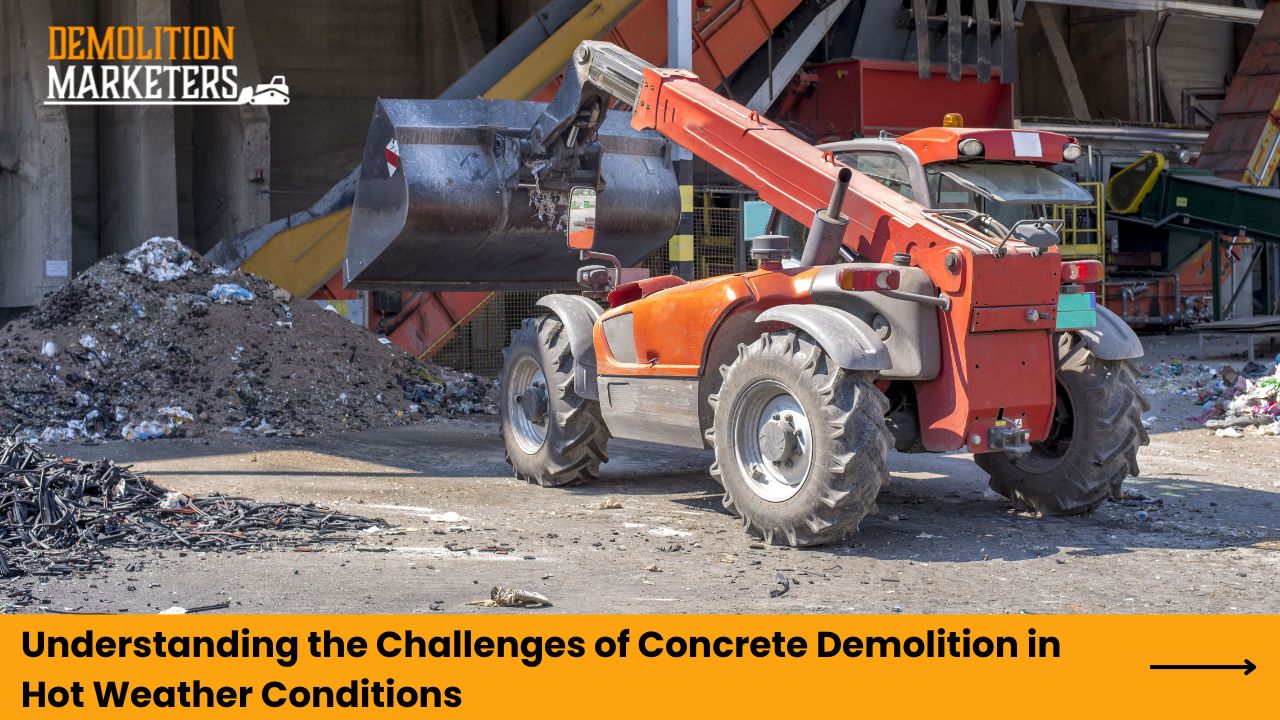
Heavy machinery for concrete demolition in hot weather conditions, showcasing a telehandler with a bucket, debris piles, and a construction site background, emphasizing safety and efficiency in demolition practices.

Title: Understanding the Challenges of Concrete Demolition in Hot Weather Conditions When temperatures soar, the task of demolishing concrete becomes not only more challenging but also more critical to manage effectively. This article will delve into the complexities of breaking down concrete slabs in the heat, focusing on worker safety and the adaptation of demolition methods. Readers will learn about maintaining tools and equipment under extreme weather conditions and the environmental impacts of hot weather demolition. For professionals tasked with planning and executing concrete demolition, this content offers valuable insights into overcoming the hurdles posed by high temperatures, ensuring compliance with legal standards, and executing successful projects despite the heat. By engaging with this article, readers will equip themselves with strategies to navigate the unique challenges that hot weather brings to the demolition of concrete structures. Key Takeaways Understanding How Hot Weather Affects Concrete Demolition When temperatures soar, concrete demolition faces unique challenges. High heat can alter the structural integrity of concrete, leading to increased thermal stress that complicates demolition efforts. Professionals must navigate the accelerated drying and curing rates that can affect the accessibility of the demolition site, potentially increasing the cost and difficulty of using tools like jackhammers and hammers, especially when dealing with embedded rebar. The following sections will delve into these issues, offering insights into the complexities of demolishing concrete in hot weather conditions. Effects of High Temperatures on Concrete Structures As temperatures rise, the thermal expansion in concrete can lead to microcracks, compromising the material’s integrity and posing challenges for waste management during demolition. The heat intensifies the concrete’s reaction with steel reinforcement, potentially weakening the bond and complicating the separation process. This necessitates careful planning when employing excavators and cranes to manage the removal of debris, ensuring safety and efficiency in the face of these heat-induced obstacles. In the sweltering heat, concrete demolition requires a strategic approach to prevent premature drying, which can result in a brittle structure that generates more waste. Demolition experts must adjust their techniques, possibly incorporating water to regulate the temperature and prevent dust, which can be a hazard when using heavy machinery like excavators. This careful balance aims to mitigate the risks associated with high temperatures, ensuring the structural components, including embedded steel, are safely and effectively dismantled. Thermal Stress and Its Impact on Demolition Efforts Thermal stress during hot weather conditions can significantly impact the efficiency of concrete demolition. The expansion of materials in response to heat increases the likelihood of cracks, which can complicate the use of machines designed to break down concrete structures. Demolition experts must consider the soil’s ability to absorb vibration and the potential for increased dust, both of which can affect the surrounding environment and the project’s budget. Managing the effects of thermal stress requires a nuanced approach to demolition, particularly in the selection and operation of machinery. The heightened temperatures can cause equipment to overheat, leading to downtime that disrupts the demolition schedule. Professionals in the field must plan for these contingencies, ensuring that their budget accounts for potential delays and the need for additional dust suppression measures to protect workers and the environment. Challenges Posed by Accelerated Drying and Curing In the relentless heat, concrete’s accelerated drying and curing processes pose significant challenges for demolition teams. The rapid loss of moisture can lead to a decrease in the concrete’s pliability, making it more resistant to the pressure exerted by heavy equipment. This resistance can render tools like sledgehammers less effective and necessitate the use of more powerful methods, such as a wrecking ball, which can substantially increase the price of demolition. Furthermore, the intense heat exacerbates the curing rate, causing concrete to harden faster than under normal conditions. This hastened hardening can strain the demolition equipment, leading to more frequent maintenance or replacement, which in turn impacts the project’s timeline and budget. Professionals must carefully monitor the condition of the concrete and adjust their demolition strategies accordingly to manage these heat-induced complications effectively. Safety Challenges for Workers During Hot Weather Demolition Amidst the complexities of concrete demolition in hot weather, worker safety emerges as a paramount concern. Identifying heat-related health risks is critical, as is implementing effective heat safety measures to protect those on the demolition site. Ensuring proper hydration and rest periods is essential to maintain the well-being of the workforce handling debris, operating loaders, and enduring the structure’s noise. These topics will be explored to provide practical insights into safeguarding workers during challenging demolition projects. Identifying Heat-Related Health Risks During the demolition of concrete structures, such as driveways and landscape features, workers face heightened health risks due to the intense heat. The combination of physical exertion with high temperatures can lead to heat exhaustion or heat stroke, conditions that are exacerbated by the use of heavy machinery like breakers. It is crucial for construction teams to recognize the early signs of heat-related illnesses, which include dizziness, rapid heartbeat, and extreme fatigue, to prevent serious health consequences. In the realm of plumbing and construction, the sweltering conditions of hot weather demolition demand vigilant monitoring of worker hydration and body temperature. The strenuous activity associated with operating demolition equipment can cause rapid dehydration, making regular water breaks essential. Additionally, supervisors must ensure that shaded rest areas are available, allowing workers to recover from the relentless heat and reduce the risk of heat-induced ailments. Implementing Effective Heat Safety Measures To mitigate the risks of heat exposure during the demolition of sidewalks and patios, construction managers are tasked with implementing rigorous safety protocols. These measures include scheduling frequent breaks for hydration and rest, particularly for workers operating heavy machinery such as trucks transporting debris to the landfill. The goal is to maintain a safe and productive work environment, even as temperatures climb. Moreover, the financial implications of heat safety are not to be overlooked, as the health of workers directly influences project costs. By enforcing strict adherence to heat safety guidelines, companies can avoid the potential fees associated with workplace incidents and … Read more

Sustainable Practices for Recycling and Reusing Concrete

Excavator on construction site surrounded by piles of concrete debris, illustrating sustainable practices for recycling and reusing concrete in the demolition industry.

Concrete waste poses significant environmental challenges. This article explores sustainable practices for recycling and reusing concrete in the demolition and construction industry. We’ll examine the benefits of concrete recycling, effective methods for processing concrete waste, and innovative reuse applications. By implementing these practices, demolition companies can reduce their environmental impact and potentially lower costs. Demolition Marketers can help businesses showcase their commitment to sustainability through targeted SEO and website strategies for demolition companies. Key Takeaways Understanding the Environmental Impact of Concrete Waste Concrete waste disposal poses significant environmental challenges. This section examines the growing issue of concrete disposal, its impact on ecosystems, and sustainable practices for mitigation. Understanding these factors is crucial for demolition companies seeking to improve their reputation management for demolition companies and lead generation for demolition companies through environmentally responsible practices, SEO for demolition companies, social media marketing services for demolition companies, demolition marketing, website for demolition companies, and GMB for demolition companies. Proper management of concrete waste, including cement and water components, is essential for sustainable construction and demolition processes. The Growing Issue of Concrete Disposal The disposal of concrete waste has become a pressing issue in the construction and demolition industry. As the use of concrete as a building material continues to grow, so does the volume of waste generated from demolition projects and excess concrete from construction sites. This increasing amount of concrete waste, which includes portland cement and other components, poses significant challenges to sustainability efforts and environmental protection. Implementing Reputation Management for Demolition companies, Social Media Marketing Services for Demolition companies, demolition marketing, SEO for demolition companies, gmb for demolition companies, and lead generation for demolition companies can help address these challenges by enhancing public perception and promoting sustainable practices. Concrete waste disposal contributes to the depletion of natural resources and the overcrowding of landfills. The production of concrete, particularly portland cement, is energy-intensive and generates substantial carbon emissions. As such, the proper management and recycling of concrete waste have become crucial for reducing the environmental impact of the construction industry. Innovative solutions for recycling and reusing concrete, such as incorporating it into new building materials or using it in dam construction, are essential for promoting sustainability in the sector. Additionally, implementing SEO For Demolition companies, Lead Generation for Demolition companies, reputation management for demolition companies, GMB For Demolition companies, and social media marketing services for demolition companies can further enhance the efficiency and reach of these sustainability efforts. How Concrete Waste Affects Ecosystems Concrete waste disposal significantly impacts ecosystems by altering soil composition and pH levels. When improperly managed, concrete debris releases alkaline substances that can harm plant life and disrupt local biodiversity. This contamination affects not only terrestrial ecosystems but also aquatic environments, potentially leading to long-term ecological imbalances and contributing to climate change. Effective lead generation for demolition companies, SEO for demolition companies, reputation management for demolition companies, and social media marketing services for demolition companies are essential for businesses to address these environmental challenges responsibly. The production and disposal of concrete also contribute to sand depletion, a critical issue for many ecosystems. Excessive sand mining for construction purposes damages riverbeds and coastal areas, affecting wildlife habitats and increasing the vulnerability of infrastructure to natural disasters. Moreover, the carbon emissions associated with concrete production and waste management exacerbate global warming, further stressing ecosystems worldwide. Additionally, lead generation for demolition companies, reputation management for demolition companies and SEO for demolition companies can help mitigate these environmental impacts. The Role of Sustainable Practices in Mitigating Damage Sustainable practices play a crucial role in mitigating the environmental damage caused by concrete waste. By implementing innovative recycling techniques, such as using concreto molido (crushed concrete) in new construction projects, the industry can significantly reduce greenhouse gas emissions and minimize the need for raw materials. These practices not only decrease the carbon footprint of building and development processes but also contribute to a more circular economy supported by lead generation for demolition companies, reputation management for demolition companies, SEO for demolition companies, and GMB For Demolition companies in the construction sector. The adoption of sustainable concrete management strategies extends beyond recycling to include improved design and construction methods. By optimizing concrete mixtures and employing advanced curing techniques, builders can create more durable structures that require less maintenance and have longer lifespans. This approach reduces the overall environmental impact of the built environment and supports sustainable development goals. The following table illustrates the benefits of sustainable concrete practices and lead generation for demolition companies, including SEO for demolition companies, demolition marketing, reputation management for demolition companies, and GMB for demolition companies: Sustainable Practice Environmental Benefit Economic Benefit Recycling concrete waste Reduced landfill use Lower disposal costs Using concreto molido Decreased raw material extraction Reduced material costs Optimized concrete mixtures Lower greenhouse gas emissions Improved building performance Benefits of Recycling and Reusing Concrete Recycling and reusing concrete offers significant benefits for demolition and excavation companies. This section explores how these practices reduce landfill usage, conserve natural resources, and provide financial savings. By incorporating technology and considering accessibility, firms can efficiently manage concrete waste, including mortar and rebar, even in flood-prone areas. Additionally, our lead generation for demolition companies, SEO for demolition companies, reputation management for demolition companies, and social media marketing services for demolition companies help businesses maximize their efficiency and presence. Reducing Landfill Usage Through Concrete Recycling Concrete recycling significantly reduces landfill usage by repurposing demolished reinforced concrete structures. This process, reminiscent of practices dating back to the Roman Empire, diverts substantial amounts of waste from landfills, conserving valuable space and mitigating environmental impact. Utilizing SEO for demolition companies, lead generation for demolition companies, website for Demolition companies, GMB For Demolition companies, and Social Media Marketing Services for Demolition companies, along with demolition marketing and reputation management for demolition companies, can further enhance the visibility and sustainability efforts of your business. By recycling concrete, the construction industry decreases carbon dioxide emissions associated with landfill operations. The process also allows for the recovery of embedded materials like steel, further reducing the industry’s … Read more

Key Factors to Consider When Choosing an Excavation Company

Excavation site featuring heavy machinery, including an orange excavator and a worker in safety gear, illustrating key factors for choosing an excavation company.

Selecting the right excavation company can make or break your construction project. How do you ensure you’re making the best choice? This article outlines key factors to consider, including experience, licensing, equipment quality, safety records, and reputation. By evaluating these aspects, you’ll be better equipped to choose an excavation company that fits your project’s needs and budget. We’ll guide you through assessing heavy equipment capabilities, verifying insurance coverage, and understanding contract terms to help you make an informed decision. Key Takeaways Evaluate the Company’s Experience and Expertise Evaluating an excavation company’s experience and expertise is crucial for successful projects. Key factors include years in the industry, team qualifications, past projects, specialization, and knowledge of local terrain. A skilled excavator and engineer can navigate challenges with concrete and soil, ensuring compliance with regulations. Choosing the right general contractor impacts project outcomes significantly. Review Their Years in the Excavation Industry When evaluating an excavation company’s experience, it’s crucial to review their years in the industry. Established firms often have a deep understanding of landscape challenges and heavy equipment operation. Companies with extensive experience in deep foundation work demonstrate their ability to handle complex projects. The number of years a corp has been in business can indicate their stability and expertise. Experienced excavation companies typically have a skilled workforce and efficient processes for managing projects of various scales. This experience often translates to better problem-solving abilities and adherence to safety standards: Years in Industry Experience Level Typical Capabilities 0-5 years Emerging Basic excavation, small-scale projects 5-10 years Established Diverse project types, some specialization 10+ years Veteran Complex projects, deep foundation expertise Assess the Team’s Qualifications and Training Assessing the qualifications and training of an excavation team is crucial for successful project management in the United States. A well-trained crew can efficiently handle various trenching tasks and contribute to the overall development of a building site. Companies that invest in ongoing education and certification programs for their employees often demonstrate a commitment to quality and safety. Experienced project managers and skilled equipment operators form the backbone of a reliable excavation team. Their expertise in handling complex trench systems and adhering to local regulations can significantly impact the timeline and success of a development project. Clients should inquire about the specific qualifications and certifications held by key team members to ensure they align with the project’s requirements. Look at Past Projects Similar to Yours Examining an excavation company’s past projects that align with a customer’s needs provides valuable insights into their capabilities and expertise. By reviewing similar infrastructure projects, clients can assess the company’s ability to handle specific challenges and meet quality standards. This approach also offers a glimpse into the company’s reputation and customer satisfaction levels. Evaluating past projects allows potential clients to gauge the excavation company’s efficiency in managing timelines and resources. It’s essential to consider how the company utilized their trucks and equipment in previous jobs, as this can indicate their level of preparedness for future projects. Additionally, reviewing past work can reveal the company’s marketing strategies and how they’ve built relationships with previous customers. Consider Specialization in Specific Excavation Services Specialization in specific excavation services can significantly impact project outcomes and cost-effectiveness. Companies with expertise in road construction or storm drain installation may possess specialized loaders and equipment, enabling them to complete these tasks more efficiently and safely. Demolition specialists often have in-depth knowledge of building structures and safety protocols, which can save money and time on complex projects. When evaluating an excavation company, consider how their specialized skills align with the specific requirements of your project to ensure optimal results. Determine Knowledge of Local Terrain and Regulations Excavation companies with knowledge of local terrain, such as in Idaho, can effectively navigate geotechnical engineering challenges. Their understanding of soil conditions and groundwater levels enables them to select the appropriate backhoe and other machinery for each project, ensuring efficient and safe operations. Familiarity with local regulations is crucial for proper project management in excavation work. Companies well-versed in regional requirements can streamline permitting processes and ensure compliance with environmental and safety standards, reducing the risk of delays or fines during machine operation. Verify Licenses, Certifications, and Compliance Verifying licenses, certifications, and compliance is crucial when selecting an excavation company in Seattle or any central location. This process involves confirming valid state and local licenses, checking industry certifications, ensuring adherence to environmental regulations, understanding zoning law compliance, and verifying proper insurance coverage. These factors are essential for contractors and equipment rental providers working with earth and other materials. Confirm Valid State and Local Licenses Excavation companies must possess valid state and local licenses to operate legally and safely. These licenses demonstrate that the contractor has met specific requirements for site clearing and other excavation activities, ensuring they have the necessary power and expertise to handle projects effectively. Clients should request proof of current licenses before obtaining an estimate or engaging a contractor’s services. Verifying these credentials helps protect against potential safety hazards and legal issues, while also ensuring the excavation company adheres to industry standards and regulations. Check for Industry Certifications and Accreditations Industry certifications and accreditations demonstrate an excavation company’s commitment to quality and safety standards in site development. Companies with certifications from recognized organizations often possess advanced skills in grading and drill tech drilling, which can lead to increased revenue and efficiency. Clients seeking a free estimate should inquire about an excavation company’s industry-specific credentials. These certifications often indicate a higher level of expertise and adherence to best practices, potentially resulting in superior project outcomes and reduced risks during complex excavation tasks. Ensure Adherence to Environmental Regulations Excavation companies must adhere to environmental regulations to ensure responsible site development. Foundation work and civil construction projects require strict compliance with local and federal environmental standards to minimize ecological impact and maintain sustainable practices. Site development contractors should demonstrate a thorough understanding of environmental regulations specific to their area of operation. Companies that prioritize environmental compliance often implement advanced techniques and technologies … Read more

Essential Methods for Building Demolition: A Comprehensive Overview

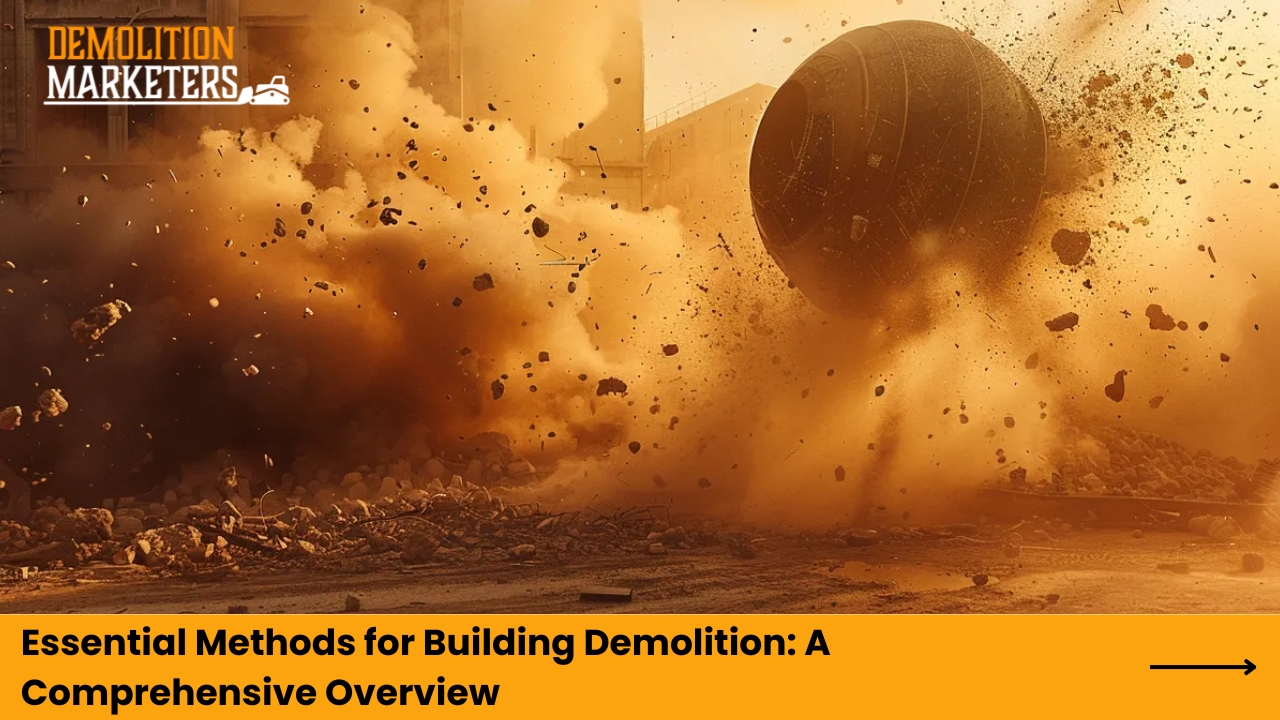
Demolition scene featuring a wrecking ball in action, surrounded by debris and dust, illustrating essential methods for building demolition and emphasizing safety and planning in construction projects.

Building demolition is a complex process that requires careful planning and execution. This comprehensive overview explores essential methods used in demolition projects, from mechanical techniques to implosion and selective demolition. We’ll cover key aspects of demolition planning, safety protocols, and environmental considerations. By understanding these methods, demolition professionals can ensure efficient, safe, and environmentally responsible projects. Whether dealing with asbestos removal, building implosion, or occupational safety concerns, this guide provides valuable insights for successful demolition operations. Key Takeaways Understanding the Basics of Building Demolition Building demolition involves critical steps beyond using a wrecking ball or excavator. Understanding legal requirements, assessing structural integrity, and identifying hazardous materials are essential for safe and efficient demolition. These processes help minimize risks, ensure proper handling of construction debris, and comply with regulations. Each aspect plays a crucial role in successful demolition projects. Exploring Legal Requirements and Regulations Building demolition projects must adhere to strict legal requirements and regulations. These laws govern aspects such as environmental protection, worker safety, and proper disposal of materials, including steel and other construction debris. Compliance with these regulations is crucial for ensuring the safety of workers and the public, as well as minimizing environmental impact. Local, state, and federal authorities often require specific permits and approvals before demolition can begin. These may include environmental impact assessments, structural integrity evaluations, and plans for managing hazardous materials. Understanding and following these legal requirements is essential for successful building demolition and subsequent restoration projects. Assessing Structural Integrity Before Demolition Assessing structural integrity before demolition is crucial for identifying potential hazards and planning effective waste management strategies. Engineers evaluate the building’s condition, including its foundation, load-bearing walls, and overall stability. This assessment helps determine the safest demolition methods and identifies areas that may require special handling to prevent unexpected collapses or accidents. The evaluation process also aids in developing efficient recycling and construction waste disposal plans. By understanding the building’s composition and structural elements, demolition teams can better segregate materials for recycling, reducing the amount of waste sent to landfills. This approach not only minimizes environmental impact but also supports sustainable practices in the demolition industry. Identifying Hazardous Materials in Structures Identifying hazardous materials is a critical step in building demolition, especially when dealing with older structures. Asbestos, lead-based paint, and other toxic substances often lurk within walls, floors, and ceilings, posing serious health risks during deconstruction. Thorough inspections of each column, steel frame, and structural component help demolition teams develop safe removal strategies. Proper identification of hazardous materials enables the creation of effective containment and disposal plans. This process may involve specialized testing of various building elements, including flooring materials and insulation. By accurately identifying and addressing these hazards, demolition professionals can ensure the safety of workers and the surrounding environment throughout the deconstruction process. Planning and Preparation for Demolition Projects Planning and preparation are crucial for successful building demolition projects. This phase involves conducting comprehensive site surveys, developing effective demolition plans, securing necessary permits, coordinating with stakeholders, and establishing safety measures. Engineers and demolition experts work together to ensure compliance with Occupational Safety and Health Administration regulations, manage dust control, and operate loaders safely throughout the process. Conducting Comprehensive Site Surveys Comprehensive site surveys form the foundation of successful demolition projects. Civil engineers assess the building’s structural integrity, identifying potential hazards and areas that require special attention. These surveys also evaluate the site’s compliance with current building codes, ensuring that the demolition process adheres to all relevant regulations. During site surveys, professionals examine the building’s ductwork, electrical systems, and other infrastructure components. This thorough examination helps determine which materials can be salvaged for reuse, contributing to sustainable demolition practices. Additionally, these surveys play a crucial role in protecting public health by identifying any potential environmental or safety risks associated with the demolition process. Developing an Effective Demolition Plan Developing an effective demolition plan is crucial for successful projects in Seattle and beyond. This plan outlines the step-by-step process for safely dismantling structures, including concrete buildings and bridges. It addresses safety concerns, property protection, and environmental considerations, ensuring a smooth demolition process. The demolition plan typically includes: Securing Necessary Permits and Approvals Securing necessary permits and approvals is a critical step in the demolition process. Local authorities require specific documentation for the removal of walls, wood structures, and other building materials. These permits ensure compliance with safety regulations and environmental standards, particularly when using heavy equipment like cranes. The approval process often involves submitting detailed plans for scaffolding installation and debris management. Demolition companies must demonstrate their ability to safely dismantle structures while minimizing risks to surrounding properties and the public. Obtaining these permits can take time, so it’s essential to start the application process early in the project timeline. Coordinating With Stakeholders and Communities Coordinating with stakeholders and communities is crucial for successful building demolition projects. Contractors must engage with local residents, businesses, and government officials to address concerns about noise, dust, and safety. This process involves conducting thorough inspections of surrounding walls and floors to assess potential impacts on neighboring structures. Effective communication strategies ensure stakeholders understand the demolition timeline and safety measures in place. Contractors often organize community meetings, distribute informational materials, and establish dedicated channels for feedback. This collaborative approach helps mitigate disruptions and fosters positive relationships throughout the building demolition process: Establishing Safety Measures and Protocols Establishing safety measures and protocols is crucial in controlled demolition projects. Engineering teams develop comprehensive safety plans that address potential hazards and outline procedures to protect workers, nearby structures, and the public. These plans include detailed risk assessments, emergency response protocols, and specific safety requirements for each phase of the demolition process. Security measures play a vital role in ensuring a safe demolition environment. Contractors implement strict access controls, install protective barriers, and use advanced monitoring systems to prevent unauthorized entry and protect surrounding areas. These security protocols work in conjunction with engineering safeguards to create a controlled environment where structures can be safely demolished without compromising public safety or … Read more

The Digital Roadmap for Demolition Contractors

Demolition site featuring heavy machinery, including excavators and cranes, with a focus on digital transformation for demolition contractors, overlay text reading "The Digital Roadmap for Demolition Contractors" and "Demolitionmarketers.com".

In today’s rapidly evolving technological landscape, industries of all kinds are embracing digital transformation to streamline operations, enhance safety measures, and improve overall efficiency. The demolition sector is no exception. As demolition contractors navigate through complex projects and stringent regulations, incorporating digital tools into their workflow becomes imperative for staying competitive and ensuring project success. Introduction to Digital Transformation in Demolition Industry The demolition industry is witnessing a paradigm shift with the integration of digital technologies. Embracing digital tools not only enhances operational efficiency but also improves safety standards and regulatory compliance. In an era where data-driven decision-making reigns supreme, the adoption of digital solutions is no longer a choice but a necessity for demolition contractors. Understanding the Challenges Faced by Demolition Contractors Demolition projects come with their fair share of challenges, ranging from safety concerns to compliance issues and project management complexities. Safety remains a top priority in the demolition industry, with risks of accidents and injuries prevalent in high-risk environments. Compliance with environmental regulations and building codes adds another layer of complexity, often requiring meticulous documentation and reporting. Moreover, managing large-scale demolition projects involves intricate coordination of resources, timelines, and stakeholders. Key Components of a Digital Roadmap A robust digital roadmap for demolition contractors encompasses various components aimed at addressing key challenges and optimizing project outcomes. These components include: Digital Project Management Software Efficient project management is essential for the success of demolition projects. Digital project management software facilitates seamless coordination of tasks, resource allocation, and scheduling, thereby enhancing productivity and minimizing delays. Safety Monitoring Technologies Implementing safety monitoring technologies such as wearable devices equipped with sensors enables real-time monitoring of workers’ vital signs and environmental conditions. This proactive approach to safety management helps prevent accidents and ensures timely intervention in case of emergencies. Compliance Tracking Systems Compliance with regulatory requirements is crucial for demolition contractors to avoid legal repercussions and maintain reputation. Digital compliance tracking systems automate the process of documentation, record-keeping, and reporting, simplifying the compliance management process and reducing the risk of non-compliance. Building Information Modeling (BIM) Building Information Modeling (BIM) revolutionizes the way demolition projects are planned, executed, and managed. By creating digital representations of structures and simulating demolition scenarios, BIM facilitates better visualization, coordination, and decision-making throughout the project lifecycle. Implementing Digital Solutions for Safety Enhancement Wearable Technology Wearable technology, such as smart helmets and vests, equipped with sensors and GPS tracking, enhances worker safety by providing real-time alerts and monitoring their movements and physiological parameters. Drones for Site Inspection Drones offer a bird’s-eye view of demolition sites, enabling contractors to conduct thorough inspections, identify potential hazards, and monitor progress from a safe distance. Additionally, aerial surveys conducted by drones provide valuable data for planning and decision-making. Leveraging Digital Tools for Efficient Project Management Scheduling and Resource Allocation Software Digital scheduling software automates the process of scheduling tasks, allocating resources, and managing timelines, thereby optimizing resource utilization and minimizing project delays. Cloud-Based Collaboration Platforms Cloud-based collaboration platforms facilitate seamless communication and collaboration among project teams, subcontractors, and stakeholders, regardless of their geographical locations. By centralizing project-related information and communication channels, these platforms improve transparency, efficiency, and decision-making. Enhancing Compliance Tracking with Digital Solutions Document Management Systems Document management systems streamline the process of document creation, storage, retrieval, and sharing, ensuring that all necessary documents and records are easily accessible and up-to-date. Automated Reporting Tools Automated reporting tools generate comprehensive reports on compliance status, safety incidents, and project progress, eliminating manual data entry and reducing the risk of errors and omissions. The Role of Building Information Modeling (BIM) in Demolition Projects 3D Modeling for Project Visualization BIM enables demolition contractors to create detailed 3D models of structures, providing a virtual representation of the demolition site and surrounding environment. This visual aid helps stakeholders better understand project scope, identify potential risks, and make informed decisions. Clash Detection and Resolution BIM facilitates clash detection by identifying potential conflicts between various elements of the demolition project, such as structural components, utilities, and equipment. By resolving clashes in the virtual environment before they occur on-site, contractors can mitigate risks and avoid costly rework. Overcoming Resistance to Digital Adoption Despite the numerous benefits of digital transformation, some demolition contractors may resist adopting new technologies due to various reasons such as cost concerns, lack of awareness, or fear of change. Overcoming this resistance requires a concerted effort to: Conclusion The digital roadmap for demolition contractors offers a strategic framework for embracing digital transformation and harnessing the power of technology to overcome challenges, enhance safety, and optimize project performance. By integrating digital tools such as project management software, safety monitoring technologies, compliance tracking systems, and Building Information Modeling (BIM), contractors can streamline operations, improve collaboration, and achieve greater success in demolition projects. Frequently Asked Questions How can drones improve safety on demolition sites? Drones enhance safety by conducting aerial inspections, identifying hazards, and detecting gas leaks or unstable areas. They minimize the need for manual inspections in risky environments, reducing worker exposure to dangers. What are the benefits of using Building Information Modeling (BIM) in demolition projects? BIM improves planning, visualization, and coordination by creating 3D models. It helps identify conflicts, reduces errors, and fosters better communication among project stakeholders, leading to cost savings and improved outcomes. How do wearable technologies enhance worker safety? Wearable devices monitor vital signs and environmental conditions in real-time, alerting to potential risks. They enable prompt assistance during emergencies and ensure compliance with safety protocols, empowering workers with actionable insights. What challenges do demolition contractors face in adopting digital solutions? Challenges include initial costs, technical complexities, and resistance to change. Overcoming these requires strategic planning, stakeholder engagement, and investment in training to facilitate a smooth transition to digital tools. What is the role of cloud-based collaboration platforms in project management? Cloud-based platforms streamline communication, collaboration, and information sharing among project teams. They provide a centralized repository for project data, promoting flexibility and efficiency in project execution, ultimately leading to improved outcomes.